Pastoral Reminders
Safeguarding
The ICT team has been working very hard behind the scenes to meet the DFE’s new IT skills audit. In line with this, all students' information is being monitored and filtered continuously. If any inappropriate information is being searched, typed etc this will be flagged to the CP team and Year Teams. We will be sharing more information around this with pupils. But in the first instance if you could share this information with your tutees, I would be grateful.
Ofsted and AI
Ofsted has set out how inspectors will consider artificial intelligence in schools and care settings. AI is not judged as a separate issue, but inspectors will look at how its use by staff, pupils and parents affects safeguarding, data protection, equality and children’s day to day experiences, both positive and negative.
Key points
-
Ofsted does not inspect AI tools themselves, only their impact on children and learning.
-
Providers are not required to use AI; decisions must be sensible and child focused.
-
Inspectors may check policies on pupils using AI for homework and coursework.
-
Risks considered include data protection, safeguarding, bias and discrimination.
-
Evaluation focuses on leaders’ decision making and the effect on children’s experiences.
For further information click on the link below:
https://www.gov.uk/government/publications/ofsteds-approach-to-ai/how-ofsted-looks-at-ai-during-inspection-and-regulation
Question of the Week
If the age of consent for sexual activity is 16, why do we still have safeguarding laws and expectations for 17 and 18 year olds particularly around:
- relationships with adults in a position of trust
- sexual exploitation
- sexual images?
Answer
Even though the age of consent is 16, 16- and 17-year-olds are still children in safeguarding and child protection law.
Positions of trust: adults working in schools and similar settings have power, influence and authority. A sexual relationship between a member of staff and a student under 18 is a criminal offence because the power imbalance means the young person cannot genuinely give free consent. Other people in a position of trust include sports coaches, faith leaders and social workers. (See ‘The Sexual Offences Act 2003 (as amended in 2022)’)
Sexual exploitation: a young person can technically consent to sexual activity and still be groomed, coerced or exploited. The law recognises that 16- and 17-year-olds can be targeted and manipulated, so we still have a duty to see them as children who may need protection.
Sexual images: it is illegal to create, possess or share sexual images of anyone under 18.
In safeguarding, we do not think ‘they are basically adults now’. We remember they are still children in law, and that these extra protections are there for good reasons.
Hope you all had a lovely weekend,
Gurvinder

 Mia's notes
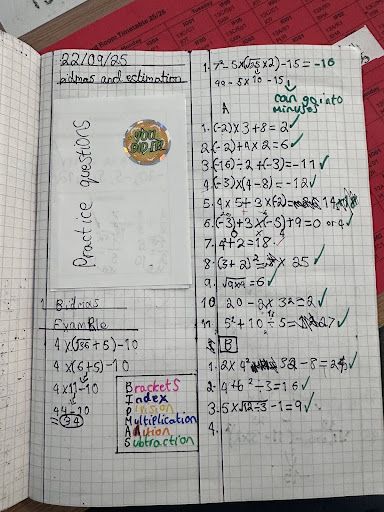

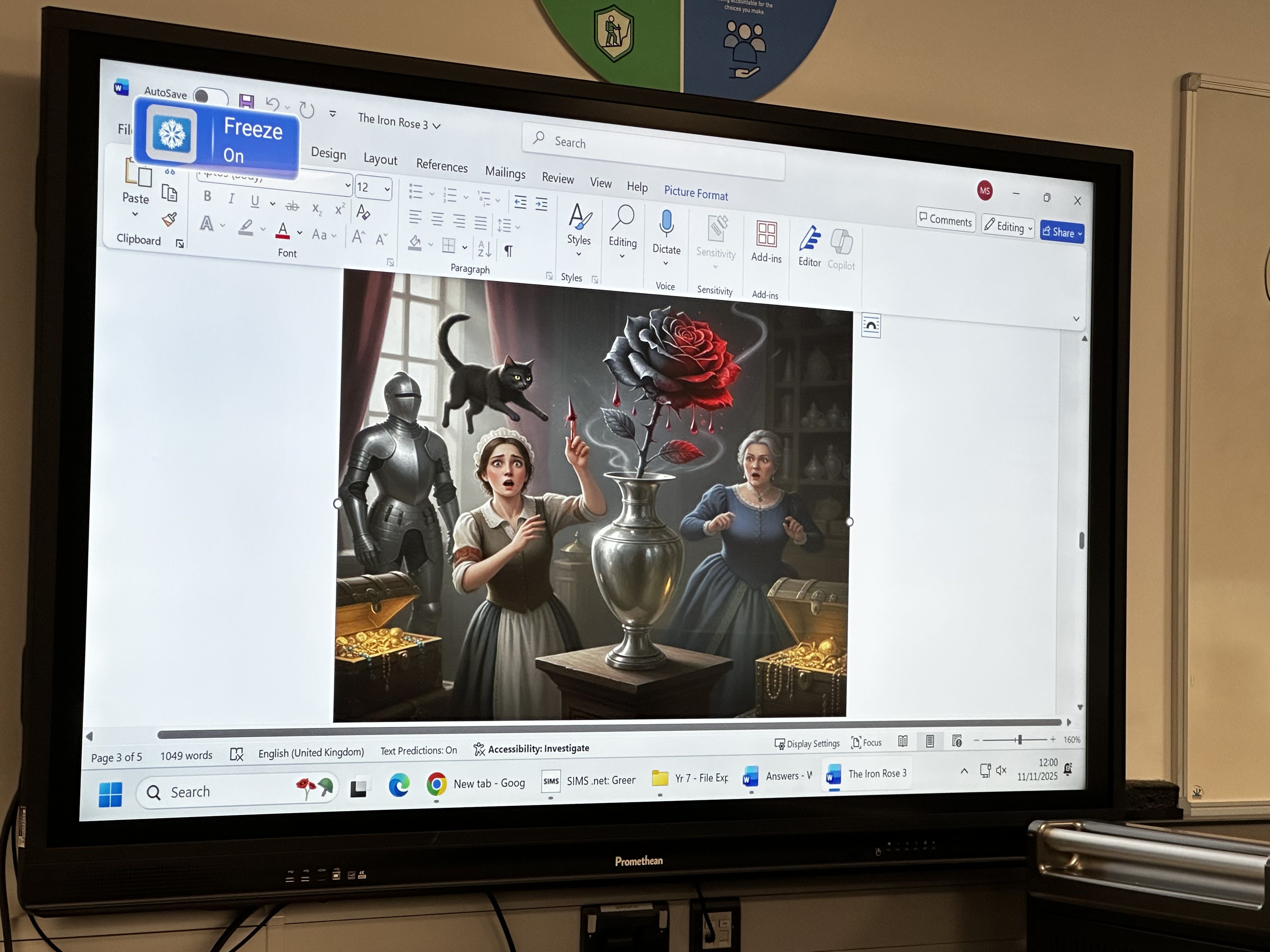
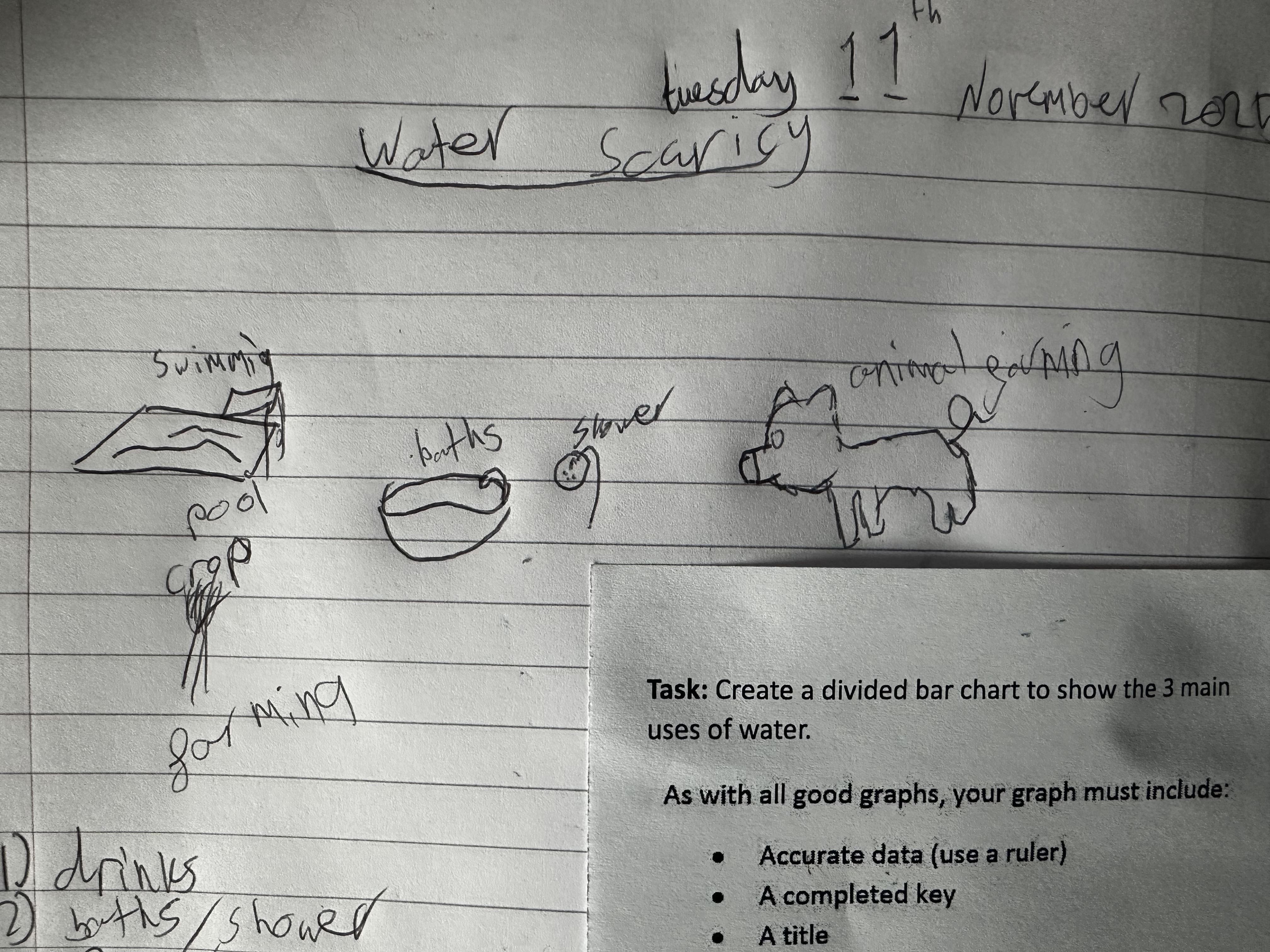
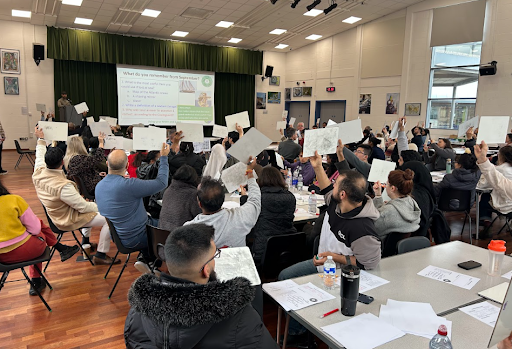 As discussed in our INSET, retrieval practice boosts learning by pulling information out of students’ heads, rather than cramming information into students’ heads. However, it must be effortful.
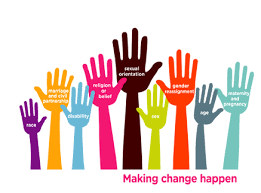 If there are any concerns about Equality and Diversity (staff) at GHS please contact A Johal (DHT)